
Bodywork and Paint for Serious Restorations
Classic Car Body Shop Services in Shreveport for rust-through, paint oxidation, and panel damage on vintage vehicles
Ark-La-Tex humidity causes rust-through and paint oxidation that requires different prep than arid-climate bodywork, and a shop that works in this climate daily knows what it takes to stop corrosion and lay down paint that adheres properly in moisture-heavy air. The in-house body shop at Fondrens Classic Cars & Guitars in Shreveport handles bodywork and paint for classic cars as part of a complete restoration capability, with mechanical work, upholstery, and body tasks all managed under one roof. Clients travel from Longview, Tyler, Marshall, and across the I-20 corridor because the body shop doesn't hand off work between departments or lose accountability when a project involves multiple trades.
Bodywork addresses rust repair, panel replacement, metal fabrication, and surface prep before any primer or paint gets applied. Paint oxidation in Gulf Coast climates strips clear coat and base layers faster than in dry regions, which means surface prep includes removing compromised layers down to stable metal and treating exposed areas to prevent flash rust during humidity swings.
Schedule a body shop assessment to review rust damage, panel condition, and paint requirements for your specific vehicle.
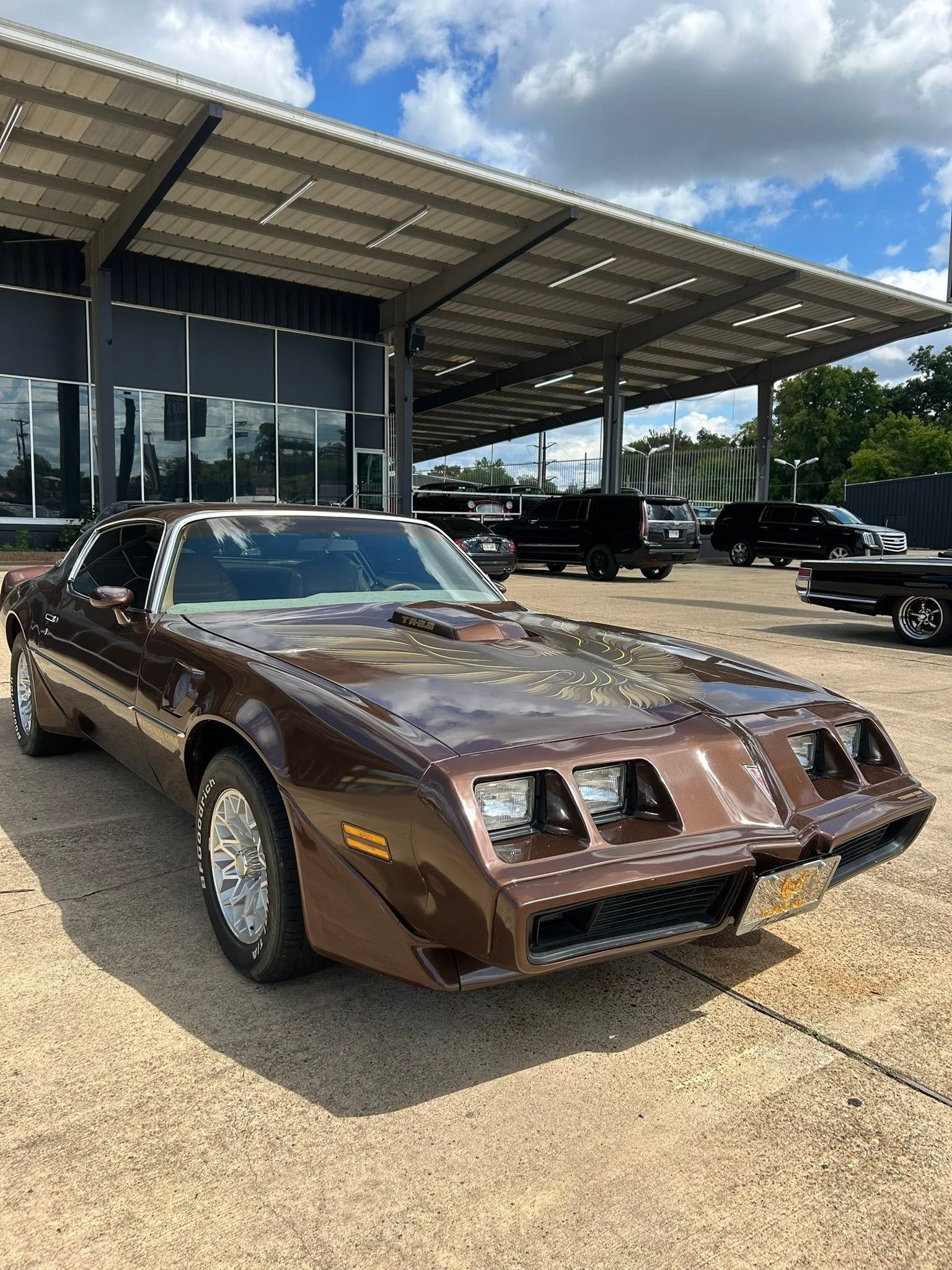
Why In-House Bodywork Matters for Full Restorations
In-house bodywork keeps the restoration under one roof, which eliminates the handoffs between shops that break timelines and blur accountability. When the body shop, hot rod garage, and trim shop all operate in the same facility, the team doing panel replacement knows what the mechanical crew found during teardown, and the paint schedule coordinates directly with when the interior gets installed. That level of coordination doesn't happen when bodywork gets farmed out to a separate collision center that doesn't communicate with the shop doing the engine work.
After bodywork and paint are complete, you see panels that sit flush without gaps, door jambs that match exterior color and finish, and paint that reflects evenly without orange peel or dry spray. Rust repairs hold because metal got treated properly before filler and primer went on, and panel seams stay sealed because the shop understands how humidity infiltrates joints that weren't properly welded or sealed during assembly. The finish looks correct for the era whether that means single-stage paint with a mild sheen or modern base-clear that deepens the color.
The body shop pulls restoration clients from Houston and New Orleans as well, serving collectors who fall within the pickup-and-return range and want restoration-grade work instead of collision repair or paintless dent removal. This isn't a volume shop chasing insurance jobs; it's a destination for serious collectors who need bodywork that matches the quality of the mechanical and interior restoration happening simultaneously.
Body Shop Questions Before Starting a Restoration
Collectors considering bodywork usually ask about rust repair processes, how paint holds up in Louisiana humidity, and what makes a body shop suitable for restoration-grade work instead of just collision repair.
What does rust repair involve on a classic car in the Ark-La-Tex?
Rust repair includes cutting out compromised metal, welding in patch panels or replacement sections, treating exposed edges with rust converter or epoxy primer, and sealing joints to prevent moisture infiltration. Surface rust gets media-blasted or chemically stripped, and bare metal gets coated immediately to prevent flash rust during humid nights.
How does humidity in Shreveport affect body shop prep and paint application?
High humidity slows solvent evaporation and can cause moisture to get trapped under paint layers if the shop doesn't control booth conditions and timing. Proper prep includes dehumidifying the booth, adjusting spray viscosity for local conditions, and allowing adequate flash time between coats so solvents escape before the next layer seals them in.
What's the difference between restoration bodywork and standard collision repair?
Restoration bodywork involves metal fabrication, rust repair, panel alignment to factory specs, and finish work that matches original or show-quality standards. Collision repair focuses on structural integrity and insurance-approved methods, often using filler and replacement panels instead of repairing original metal.
What happens if bodywork uncovers additional mechanical or interior issues during disassembly?
The car stays in-house at Fondrens, and the body shop coordinates directly with the hot rod garage or trim shop to address what got found. There's no delay waiting for another shop to open a slot, and no miscommunication about what needs to happen before reassembly starts.
How far do clients travel for body shop services at Fondrens?
Most come from the I-20 corridor including Longview, Tyler, and Marshall, with some clients driving in from Houston and New Orleans for restoration projects. Pickup and return services handle cars that aren't road-ready or when the owner prefers not to trailer the vehicle in themselves.
Fondrens Classic Cars & Guitars handles body and paint as part of a seamless in-house restoration operation in Shreveport, where mechanical work, upholstery, and bodywork all happen under the same roof. Call the body shop to walk through your restoration needs and see how the work gets coordinated between departments without losing time or accountability.